
Our Blog

Tips to Keep Braces Clean

November 18th, 2020
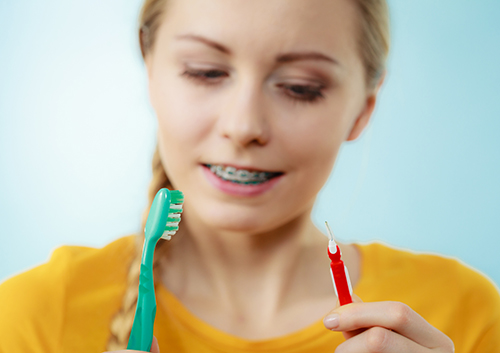
Orthodontic technology changes and improves all the time. Today’s braces are lighter, smaller, and more efficient than those of past years. Wires are thinner and more flexible. Even brackets come in different styles and colors. These developments are all great news for braces wearers. Unfortunately, there is one advancement we haven’t been able to offer: self-cleaning braces.

Brackets and wires can both trap food particles and make brushing them away more difficult. This can lead to increased plaque, cavities, and staining around the area of your braces. But with the proper supplies and habits, keeping your braces clean will become routine in no time.

Braces-healthy Supplies

  • Toothbrush

Your old toothbrush might work well enough with some brushing adjustments. We can show you how to angle your brush so it works most effectively, and how to make sure the bristles clean around your braces. Or, if you like, there are actually manual toothbrushes designed just for braces. These have V-shaped bristles to make cleaning around the brackets easier. Some people find an electric toothbrush works best. Whichever type of brush you use, be sure you use it often!

  • Floss

Again, if regular floss works for you, stay with your normal products. If you are finding it difficult to get into the narrow spaces around your braces, there are floss threaders to get the floss into tight spaces, and flosses specially designed to work with braces.

  • Interproximal brush

A big name for a tiny brush! These little cone-shaped brushes can clean around your brackets and under your wires—a great way to reach parts of your teeth your regular brush can’t.

Braces-healthy Habits

  • Brush after every meal and sugary drink

Because food particles tend to stick to your braces, and the bacteria in plaque feed on these particles, your enamel is under attack without thorough cleaning after meals. Take a toothbrush and supplies with you to school or work so that you can always brush after eating. If there is absolutely no way to brush, be sure to rinse immediately with water.

  • Brush carefully

Pay attention to each tooth, the area around your braces, and your gum line. And don’t forget the tops and inside of your teeth! A common suggestion for braces wearers is to devote at least ten seconds to each tooth. We might also recommend a special mouthwash to reduce bacteria and help keep your mouth and breath fresh.

  • Brush on the go

Put together a cleaning kit for when you are out of the house. A brush, some floss, and toothpaste in a handy container will let you brush whenever you need to, wherever you may be. Leave it in your backpack or bag, and you’re ready for anything!

  • Watch your diet

Foods that stick to teeth will stick to braces, so avoid caramels, licorice, chewy candies, and any other sticky treats. Why make your life more difficult?

While braces can make brushing and flossing more complicated, you can still keep your teeth clean, bright, and cavity-free. And remember, regular dental exams and professional cleanings are more important than ever during this time. At your next visit to our Coppell, TX office, talk to Dr. Trevor Bonilla about the best products and practices for the cleanest possible teeth and braces. We have plenty of ideas to help make sure you’ll have the healthy, beautiful smile you’ve worked so hard for when those braces come off!
Help! My gums hurt when I floss!

January 21st, 2020

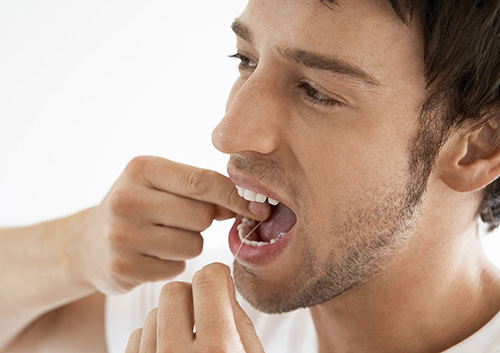
By no stretch is it rare for your gums to hurt during and after flossing. Even some bleeding is to be expected. This is especially true if you have not flossed in a long time. However, if your gums do indeed hurt when you floss, and unbearably so, there are some things you can do.

Be Gentle

Perhaps the most obvious way to combat gum soreness and bleeding is to be gentle. One of the most common occurrences of these gum problems is over-aggressive flossing. In other words, if you are too rough on your gums while flossing, either because you are out of practice or because you are in a hurry, soreness and hurting is to be expected. Instead, try taking your time and be gentle. Also, if you are just starting out, be patient and consistent, your gums will become more conditioned over time.

Use an Alternative Method

If being consistent and gentle does not work, there are other alternative methods of flossing that you can try. You can also try a water floss machine, or what is sometimes called a water pick. The device essentially shoots water into the crevasses between your teeth, and in other areas of your mouth, in order to dislodge food and plaque. These oral instruments also come with different attachments that allow you to reach many of the hard to see and reach areas of your mouth. And lastly, you can always buy floss that is not as abrasive to your gums. There is floss that comes with soft and gentle coatings that will do less harm to your gums while they are adjusting to the good oral hygiene habit you are creating.

Flossing is one of the easiest parts of oral hygiene to overlook. When you first start out, it is common that you may want to stop because of the pain it can initially cause. However, if you try one, or all, of the above mentioned methods, you will give yourself the best chance of being success with your flossing, and it won't hurt as much.

For more flossing tips, schedule an appointment at our Coppell, TX office and askDr. Trevor Bonilla or a member of our team!

Braces-Friendly School Lunches

January 14th, 2020

If your pre-teen or teenager is home for the summer, it’s easy to provide braces-friendly lunch options. The school lunchroom, though, presents another challenge altogether. What menu selections are most compatible with braces? And what can you put in that lunch box or brown bag to provide a tempting, healthy lunch during school hours? Let’s look at some options!

From the Cafeteria

Encourage your student to stick with soft foods that don’t require biting into. Some good choices include:

  • Soup, either creamy or with soft vegetables
  • Salads without crunchy vegetables or croutons
  • Soft, shredded chicken or beef
  • Egg or tuna salad
  • Tofu
  • Pasta
  • Meatloaf
  • Macaroni and cheese
  • Soft casseroles
  • Steamed vegetables
  • Mashed potatoes
  • Soft breads or tortillas

Bringing a Lunch?

There are many great options for packing a lunch bag! Just remember to keep foods at the proper temperature, with insulated containers for hot foods and two cold sources, such as two frozen gel packs, for cold foods.

  • Sandwiches with soft filling (no chunky peanut butter!) on soft bread. Thinly sliced, easy to chew cold cuts will work, but cold cuts like salami are too chewy. Cut the crusts off if necessary. Cutting sandwich wedges into smaller portions will also make them easier to eat.
  • Hard boiled eggs
  • Hummus and soft pita wedges
  • String cheese and soft crackers
  • Applesauce
  • Yogurt
  • Soft fruits such as berries or bananas
  • Jell-O or other gelatin dessert cups
  • Pudding cups

When to Say “No, Thank You”

If you have to bite into it, if it’s chewy, or if it’s crunchy, it’s best to choose something else! Here are some common culprits when it comes to broken brackets and wires:

  • Caramel
  • Hard candy
  • Popcorn
  • Whole carrots
  • Whole apples
  • Hard rolls
  • Pizza
  • Corn on the cob

And remember to send your child to school with a brush and floss to clean teeth and braces after lunch. Dental hygiene is very important now, because brackets and wires can both trap food particles and make brushing them away more difficult. This can lead to increased plaque, cavities, and staining around the area of the braces. If it’s impossible to brush, be sure to remind your student to rinse thoroughly with water after eating.

Lunch hour should be a time to relax, get together with friends, and recharge for the rest of the school day. Talk to us about the most (and least) braces-friendly foods and recipes. By learning what foods to avoid and adjusting some old favorites, your school-age child can continue to enjoy healthy, tasty lunches. Most important, visiting Dr. Trevor Bonilla at our Coppell, TX office for an emergency repair will not be on anyone’s list of afterschool activities!

Tooth Protection and Winter Sports

January 7th, 2020

Just because it’s cold out there doesn’t mean you’ll give up keeping fit and active! Winter is the season for some of our favorite team sporting activities, and when you’re donning your protective gear, don’t forget to protect your teeth as well.

  • Basketball

This sport actually tallies one of the highest counts of dental injuries. Running, jumping, and diving for the ball on an unforgiving court can lead to tooth and jaw injuries.  And for every ten men on the floor, it seems like there at least 50 flailing elbows in the paint.

  • Hockey

Notorious for the toll it takes on teeth, hockey is a game of sticks, ice, and whizzing pucks. And when your sport’s penalties include the terms hooking, slashing, and tripping, the more protection, the better.

  • Skiing

When you are flying down the slopes, combining powdery snow and speed, mouth protection is a good idea. This also applies to snowboarding and other snow sports.

  • Wrestling

Grappling and pinning in close quarters can lead to unintended injuries after accidental contact with the mat or your opponent.

Different uniforms, different equipment, and different playing fields, but all these sports have one thing in common—the easiest way to protect your teeth while playing them is with a mouth guard.

Mouthguards generally come in three forms:

  • Over the counter, ready-made appliances. These are available in drugstores and sporting goods stores, but might not be a comfortable fit as they are pre-formed sizes.
  • The “boil-and-bite” option is a mouthguard form placed in hot water. You then bite down to shape it to your mouth and teeth.
  • Custom mouthguards can be fabricated just for you through our Coppell, TX office. These appliances are designed to fit your individual mouth and teeth, so provide a better fit and better protection. They are also usually more durable and more comfortable. If you wear braces, you definitely need a custom mouthguard to prevent an injury to your mouth or braces caused by an ill-fitting appliance.

Whether you play on a team or pursue individual athletic activities, keeping safe as you keep fit is your first priority. We would be happy to discuss your mouthguard options for any sport, any time of year.

Request an appointment