
Our Blog

Early Orthodontics

December 31st, 2019
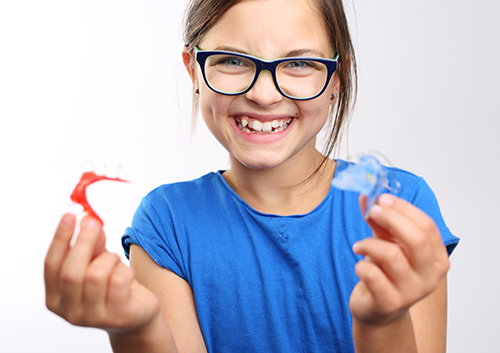
Perhaps you are already planning for the years when your teenager will need orthodontic work. But hearing that your seven-year-old would benefit from orthodontic treatment? That might come as a complete surprise! It’s a recommendation with real benefits, though—early intervention can save children from tooth and bite problems now, and even simplify their future orthodontic care.

Treating young children for orthodontic problems is called “interceptive orthodontics.” When the permanent teeth start arriving, there might be problems with spacing, bite or protruding teeth. Often, treatment while the bones are still growing is the best way to prevent more serious problems later.

We recommend that your child have an orthodontic consultation with Dr. Trevor Bonilla around the age of seven. This exam is especially important for children who may have been thumb suckers or used a pacifier after the age of three, or if you notice obvious teeth, speech or bite issues.

  • Crowding and Spacing Issues

Teeth are arranged in two crescent shapes called arches. When the arch of your child’s mouth is small, the permanent teeth can become very crowded as they erupt. Formerly, teeth were removed to make more room. Now, early use of a palatal expander can enlarge the upper dental arch in order to help the permanent teeth come in without crowding. The need for future tooth extraction is reduced, and there is a better chance for correct spacing and alignment with early treatment.

On the other hand, when a child loses a tooth too soon, too much space left between baby teeth can also be a problem. The remaining teeth can shift, leaving the wrong place open for the adult tooth to come in. We might recommend a space maintainer so that there is no shifting of the teeth and there is room for the proper adult tooth to erupt in its proper spot.

  • Malocclusions (Bite Problems)

Some malocclusions, like a crossbite, can be caused by problems with jaw and facial structure. Again, we might recommend a palatal expander to help the upper arch of the teeth to fit properly with the lower jaw. Problems with overbite, open bite and other bite issues can also be addressed at this age if necessary. Early care can discourage TMJ (temporomandibular joint) disorders, reduce speech problems, and improve facial symmetry. 

  • Protruding Front Teeth

Teeth that protrude are much more likely to be damaged when playing or after a fall. Methods such as braces or appliances can reposition them and protect them from breaking or fracturing.

Many children will not need early intervention, and many can wait until they are older for orthodontic work. But if your young child has orthodontic problems that should be addressed, early intervention can do more than set the stage for successful orthodontics in the teen years. Talk to our Coppell, TX team about what we can do for your child. Interceptive orthodontics can protect teeth, guide jaw and speech development, modify harmful oral habits and help to adjust bite problems before they become serious—when it comes to your child’s dental health, the best solutions are early ones!

How can I protect my child's teeth during sports?

December 24th, 2019

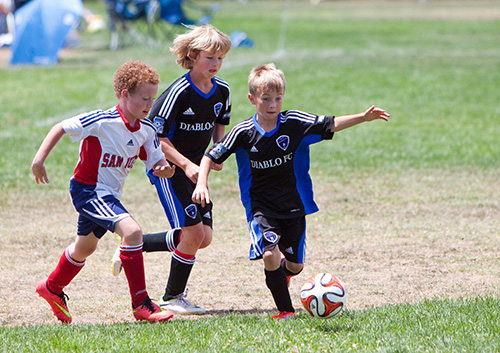
Sports are great for children for a variety of reasons. Children can develop their motor skills, learn how to solve conflicts and work together, and develop their work ethics. As a parent, you may recognize the benefits of sports, but also naturally worry about your child’s health and safety. Your job goes beyond providing a water bottle and making sure your child follows the rules of the game.

Although you may not think of your child’s teeth first when you think about sports, accidents can happen that affect your children’s teeth. A stray hockey stick, an errant basketball, or a misguided dive after a volleyball are examples of ways a child could lose a tooth. In fact, studies show that young athletes lose more than three million teeth each year.

Becoming a Better Athlete to Protect Teeth

Becoming a better athlete involves refining skills, learning the rules of the game, and being a good sport. These components are not just about winning. They are also about safety. Young athletes who are better ball-handlers and who are careful to avoid fouls and penalties are less likely to have harmful contact with the ball, teammates, or opponents. Children who are better roller-bladers are less likely to take a face plant into the blacktop, and more likely to save their teeth. Being a good sport and avoiding unnecessary contact is one way to protect teeth.

Proper Protective Equipment for Teeth

If your child is in a sport that poses a high threat to teeth, it is essential for your child to wear a mouthguard. Mouthguards fit your child’s mouth and consist of soft plastic. Dr. Trevor Bonilla can custom fit a mouthguard if generic ones are uncomfortable. While children may resist wearing a mouthguard initially, your persistence in insisting that they wear it should be enough to convince them. A helmet or face mask provides additional protection.

While prevention is best, rapid treatment can improve the situation if your child does happen to lose a tooth during sports. Rapid implantation can work in about ten percent of cases. To learn about ways to save a lost tooth, contact our Coppell, TX office.

How Braces Can Work at Any Age

December 17th, 2019

The team at Ideal Orthodontics loves to help adults achieve straighter teeth and a beautiful smile. If you are considering getting braces, here are some things you’ll need to know.

Can braces work for adults?

The good news is that braces work for just about anyone. There are several different types of braces, howver, and not all of them may work for you. The different kinds of orthodontic treatments include:

  • Ceramic braces
  • Metal braces
  • Self-ligating brackets
  • Lingual brackets (braces behind the teeth)
  • Invisible braces
  • Rubber bands for bite correction
  • Headgear and other appliances

Schedule a consultation with Dr. Trevor Bonilla, and we can help you determine the best option for your needs.

How do I get started?

We understand that braces can be a daunting prospect for many individuals. They may appear expensive and time-consuming; however, the process can be relatively pain-free! Here are the first steps you need to take on the road to straight teeth.

You will probably have a lot of questions and concerns before starting. Here are a few questions you should ask:

  • What kind of braces do you recommend for my teeth?
  • How long will the treatment take?
  • How often will I need to come in for adjustments?
  • What is the total cost of the treatment? Do you accept insurance? Will you require the full amount up front, or do you have payment plans?

During your first meeting with Dr. Trevor Bonilla, we’ll take some X-rays and molds of your teeth to help you determine your best treatment plan. To ensure your treatment is as effective as possible, we may include preliminary dental work before your braces are placed.

After you’ve chosen a treatment plan and undergone any necessary prerequisite dental work, you’ll be on your way to a better smile! Call our Coppell, TX location so you can get started today!

Five Braces-Friendly Dinner Recipes

December 10th, 2019

Did you know that more than four million children throughout the US and Canada have braces? At Ideal Orthodontics, Dr. Trevor Bonilla and our staff know that kids can be picky and meticulous eaters. If cooking for children without braces is difficult, preparing meals for children with braces is especially daunting.

“Comfort food takes on a whole new meaning when cooking for children with braces,” says Pamela Waterman, author of The Braces Cookbook: Recipes You and Your Orthodontist Will Love. “Whether you have new brackets, elastics, headgear, or more, there are great foods you can eat; it just takes some thought.”

These five braces-friendly dinner recipes will be sure to keep your kids smiling!

  1. Macaroni and cheese is the ultimate comfort food. Pasta is soft, so it’s easy for children with braces to eat. The warm, gooey cheese melts in the mouth and doesn’t get stuck in the braces like hard or sticky foods. Chances are good that even the pickiest eater has a soft spot for this homespun classic.
  2. The key to braces-friendly cooking is to replace hard, crunchy foods with softer substitutes. In other words, burritos are a better option than tacos, and lasagna is a better choice than pizza. At the same time, if you have the culinary skills to whip up a pizza with a soft crust, you’re going to win the Best Mom (or Dad) of the Year award.
  3. Your child may not like fruits and vegetables. In fact, he or she may even try to convince you that with new braces, fruits and vegetables are off limits. Nice try, kids. While your child is wearing braces, prepare meals with cooked vegetables instead of raw vegetables. A vegetable stir-fry is a healthy and soft dinner choice for kids with braces.
  4. Whether it’s beef or chicken, meat is a good source of protein. However, meat, even when it’s carefully taken off the bone (kids with braces should never eat meat from a bone), can easily get caught in braces. Sloppy Joes are a good alternative. The beef is softened by the addition of the sauce and less likely to get strung in the wires and brackets of the braces. Serve the Sloppy Joes with a side of mashed potatoes.
  5. Ask any child and he or she will tell you that the best part of dinner is dessert. While hard candy, licorice, taffy, caramel, popcorn, and all other chewy candies should be avoided, ice cream and cake are braces-friendly treats that keep kids smiling.

Need more braces-friendly food ideas? Feel free to ask any member of our team.

Request an appointment